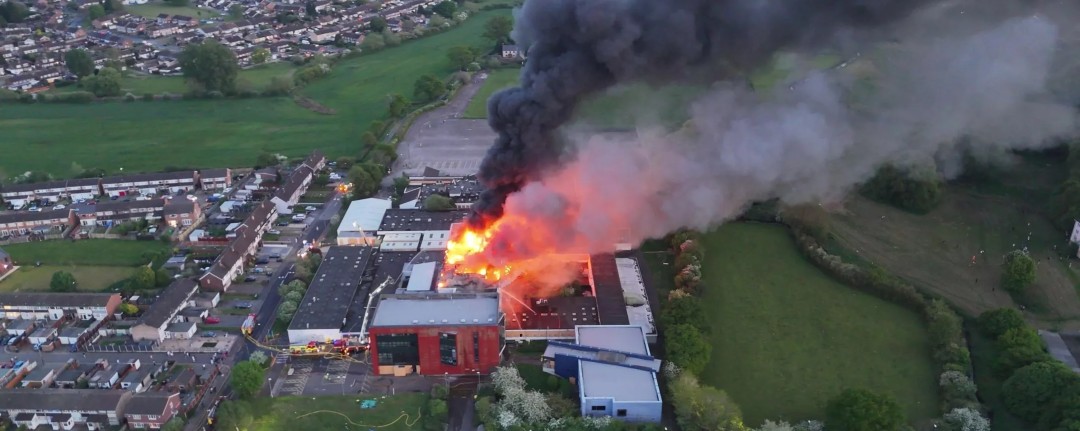
The recent fire at the former Henley College campus in Coventry caused significant damage and raised fresh questions about fire safety across our city’s educational sites. While thankfully no one was hurt, and the site was not in current use, the incident is a powerful reminder of how quickly fire can disrupt buildings, the environment, and the local community.
At Coventry Fire Safety, we support schools, academies, and colleges across Coventry and Warwickshire with accredited fire risk assessments, evacuation planning, and staff training. Whether buildings are in daily use or temporarily closed, they still require careful fire safety planning and regular reviews.
Fire Risk Assessments: More Than a Compliance Task
Every school and college is legally required to have a fire risk assessment under the Regulatory Reform (Fire Safety) Order. This must be reviewed regularly – especially after any changes to use, layout, or occupancy.
A quality fire risk assessment helps identify:
- Fire hazards such as electrical faults, flammable storage, or blocked escape routes
- Gaps in fire detection, alarm systems, or signage
- Who is at risk, and how those risks are managed
- Practical, actionable steps to improve safety
Disused or under-occupied buildings, like the former Henley College site, often carry specific risks – such as vandalism, arson, or deterioration of fire safety systems. Even active schools with strong day-to-day procedures can fall behind on documentation and updates. This fire is a useful reminder for all responsible persons to ensure assessments are up to date and carried out by competent professionals.
Environmental and Local Impact
Fires do more than damage buildings. They create significant environmental and sustainability costs – from smoke and water use during firefighting, to waste, demolition, and rebuilding. In areas like Coventry, where we are all working towards greener public services, avoiding fires helps support these shared goals.
In addition, fire disruption can lead to:
- Lost teaching time
- Rehousing of pupils or staff
- Damage to vital records or equipment
- Long-term effects on local confidence and reputation
Taking a proactive approach to fire safety not only protects people – it helps protect resources, budgets, and the city’s sustainability objectives.
Evacuation Planning and Preparedness
In an emergency, fast, safe evacuation is vital. Every school should have a clear, well-practised evacuation plan that includes:
- Designated fire marshals
- Accessible escape routes and signage
- Assembly points
- Provisions for pupils with additional needs
- Roll-call or sign-in systems for accountability
Regular drills (ideally termly) ensure staff and pupils are confident in what to do. Fire plans must reflect the real-life layout and usage of your buildings – and they should be tested and refined over time.
Coventry Fire Safety supports schools in creating or reviewing evacuation strategies and running effective drills.
How Coventry Fire Safety Can Help
Coventry Fire Safety is a local provider of professional, independent fire safety support. We understand the needs of educational settings in Coventry and the Midlands – and we deliver clear, practical advice without fuss or jargon.
Our services include:
- Accredited fire risk assessments by experienced assessors
- Fire warden and staff training
- Support with evacuation plans and drills
- Ongoing advice to help schools stay compliant and prepared
We’re based in Coventry and proud to support the safety of local education providers.
Time for a Review?
If your fire risk assessment hasn’t been updated in the past year – or if you’re unsure when it was last reviewed – now is a good time to act. The Henley College fire shows how quickly a fire can escalate and how wide-reaching the effects can be.
Contact Coventry Fire Safety today to book your fire risk assessment or arrange a fire safety consultation.
We’ll help make sure your school, academy, or college is not only compliant – but safe, sustainable, and confident in the face of fire risks.