
The safety of occupants in Houses in Multiple Occupation (HMOs) and bedsit accommodation is a critical concern, particularly when these properties feature a single stair escape route. In Coventry and across the UK, many properties have been converted from former dwellings into HMOs or self-contained flats, often introducing fire safety challenges that require careful management and compliance with relevant fire safety regulations.
Understanding the Risks of Single Stair Escape Routes
A single stair escape route can present a significant risk in the event of a fire. If the route becomes compromised by smoke, heat, or flames, it can trap occupants, particularly those in upper floors who may have no alternative means of escape. For buildings that were originally constructed as single-family dwellings but have since been converted into HMOs or bedsits, the original design may not have accounted for the increased fire load or the additional risk associated with multiple households sharing the same escape route.
Key Fire Safety Requirements for HMOs with Single Staircases
To mitigate the risks associated with single staircases in HMOs and bedsits, it is essential to adhere to fire safety best practices and legal requirements. Key measures include:
1. Fire-Resisting Construction
- The escape route should be adequately protected with fire-resistant construction, typically 30-minute fire-resisting walls, floors, and doors.
- All doors leading onto the stairway should be fire doors fitted with self-closing devices and smoke seals to prevent the spread of smoke and flames.
2. Fire Detection and Warning Systems
- A fire risk assessment should be carried out to determine the level of automatic fire detection required.
3. Emergency Lighting and Signage
- Emergency lighting should be installed where required, particularly in larger HMOs where the stairwell may be at risk of becoming smoke-logged.
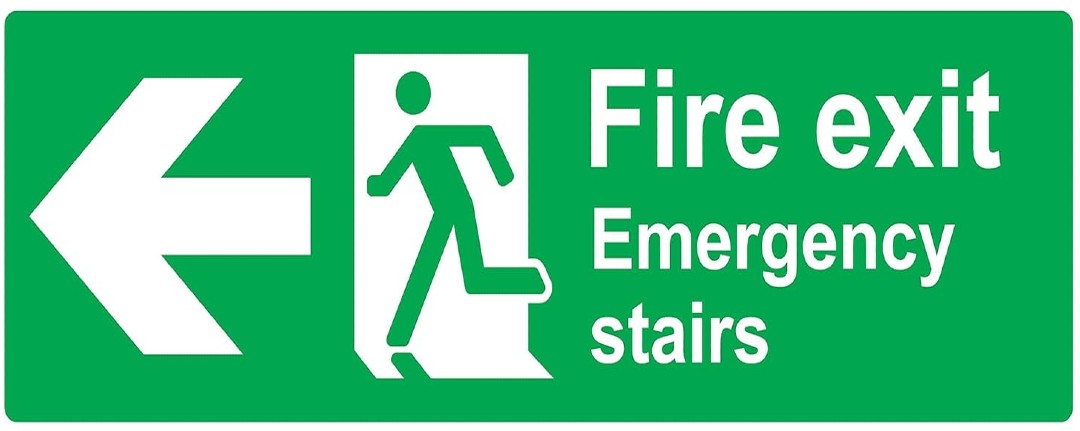
- Fire exit signage may be necessary in larger properties to guide occupants in an emergency.
4. Fire Escape Windows
- In some cases, where the layout permits, fire escape windows may be an alternative means of escape from first-floor rooms, provided they meet the minimum size and accessibility requirements.
5. Fire Risk Assessment Compliance
- The Responsible Person (usually the landlord or property manager) must instruct a fire risk assessment be carried out in accordance with the Regulatory Reform (Fire Safety) Order 2005.
- The assessment should identify risks specific to the single stair escape route and recommend suitable control measures.
Challenges with Converted Flats from Former Dwellings
Many properties in Coventry and other urban areas have been converted into flats from former houses. These conversions may not have been designed with fire compartmentation and suitable escape provisions in mind. Common issues include:
- Inadequate fire separation between units.
- Insufficient fire doors or substandard fire-resisting materials.
- A lack of proper smoke control measures, which could allow fire to spread rapidly through the property.
For these reasons, it is crucial that any converted property undergoes a thorough fire risk assessment and, if necessary, remedial works to improve fire safety compliance.
Conclusion
The presence of a single stair escape route in HMOs and bedsit accommodation significantly increases the importance of effective fire safety measures. Property owners and managers must ensure compliance with fire safety legislation, including proper compartmentation, fire detection, and emergency escape provisions. Regular fire risk assessments and adherence to best practices will help ensure the safety of residents and reduce the risk of fire-related incidents in converted properties.
For professional fire risk assessments in Coventry and the surrounding areas, Coventry Fire Safety provides expert advice and compliance support to ensure your property meets all necessary fire safety requirements. Contact us today to arrange an assessment and safeguard your tenants and property.