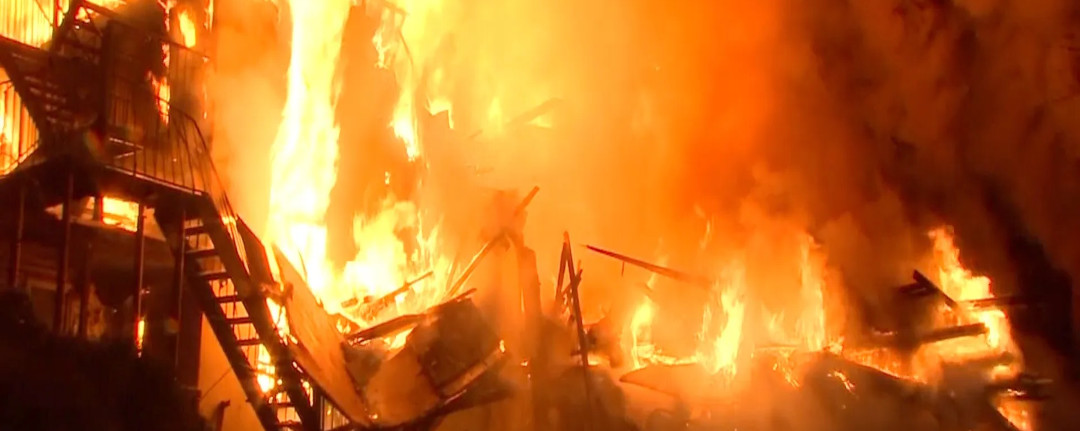
Care homes have specific hazards and risks which could lead to the possible injury and death of residents if fire safety is not properly managed.
On average, there are 388 UK care home fires every year. This is out of about 17600 care homes nationwide. Around 70% of care homes are residential settings with nursing homes making up the rest. Fires originate in multiple ways, but cookers and kitchen activities along with smoking are some of the most probable causes of fires in care homes. The reasons for these fires vary but there are ways of reducing the risk of fires. Due to the vulnerabilities of residents in such settings, it is vital to keep people safe.
JCH Safety are third party accredited fire risk assessors and chartered health and safety consultants. We work with a variety of organisation to help them to keep their organisations safe from the risk of fire. Care homes are some of the clients we work with and so we wanted this blog to focus on ways to make care homes safer places to be.
5 major hazards in care homes:
There are many fire hazards in care homes. Hazards are things with the potential to cause harm and when you think about it, care homes have a large number of potential fire hazards. 5 potential fire hazards include:
- Cooking and cooking equipment
- Medical oxygen
- Smoking
- Electrical installations and equipment
- Arson
It is important to consider all fire hazards. This is done through a comprehensive fire risk assessment being carried out. It is important to action the recommendations of fire risk assessors and work hard to make your homes safe.
6 ways to prevent fires in care homes:
- Ensure you have a professional fire risk assessment carried out each year by a competent person.
- Have an automatic fire detection and alarm system designed and installed to BS5839-1 L1.
- Train staff: ensure you have a suitable number of fire marshals, determined by your fire risk assessor and make sure all staff receive annual basic fire awareness training
- Maintain fire doors: inspect them regularly, carry out regular fire door maintenance, keep them closed and ensure staff are aware of their importance.
- Service and maintain: ensure your electrical installation checks (EICR) and gas safety checks are carried out, service your fire alarm, emergency lighting and fire extinguishers and keep good quality records.
- Manage smoking – prohibit smoking in unathorised areas and ensure safe smoking areas are provided where required. There should be suitable reciprocals provided for the disposal of smoking materials and cigarettes must not be dropped on the floor.
How to keep people safe if there is a fire:
If the worst should happen, you must have a robust plan of what to do in the event of a fire. To do this, you should have a detailed Fire Policy in place as well as a detailed, well thought out Fire Evacuation Procedure. The Fire Evacuation Procedure should be trained to staff and fire drills should be regularly carried out to ensure they are effective. Information should be readily available to staff, residents and visitors and staff should be charged with ensuring fire safety is kept at the forefront of safety in your organisation. If all staff think about fire safety and aware of the risks and solutions, the chance of fire is less.
Many fires have their roots in human error. This could be because fire checks lapse or fire doors are propped open for example. Good management procedures keep people safe. By having fire safety and health & safety at the forefront of an organisations’ management procedures will limit the risk of fire and will ensure safe evacuations can be carried out if necessary.
How JCH Safety can help?
We provide consultancy, fire risk assessments, fire safety training and assistance with policies and documentation. Our safety services, audits and inspections are designed to help clients see potential hazards in the way we do. Through this, we can train management to mitigate and manage risk out of a business.
Please get in touch to find out more.
JCH Safety work across Nuneaton, Coventry and the West Midlands. If you require fire risk assessments, audits, online safety training or consultancy we can help.